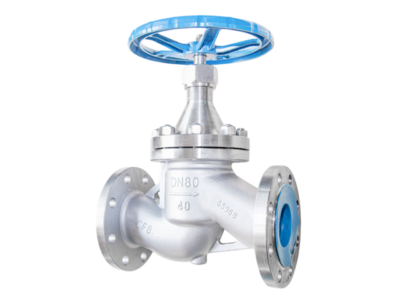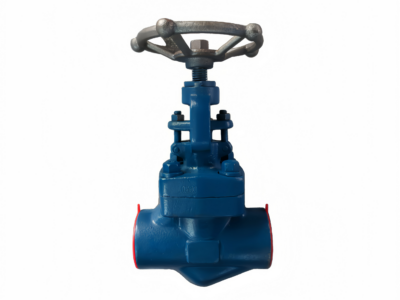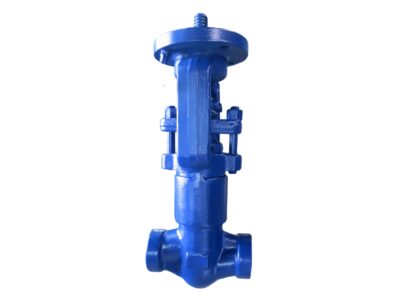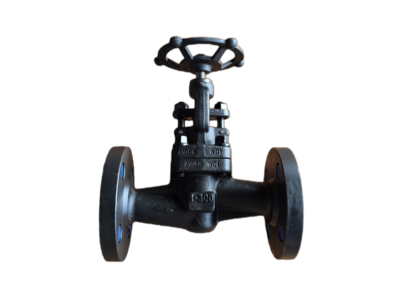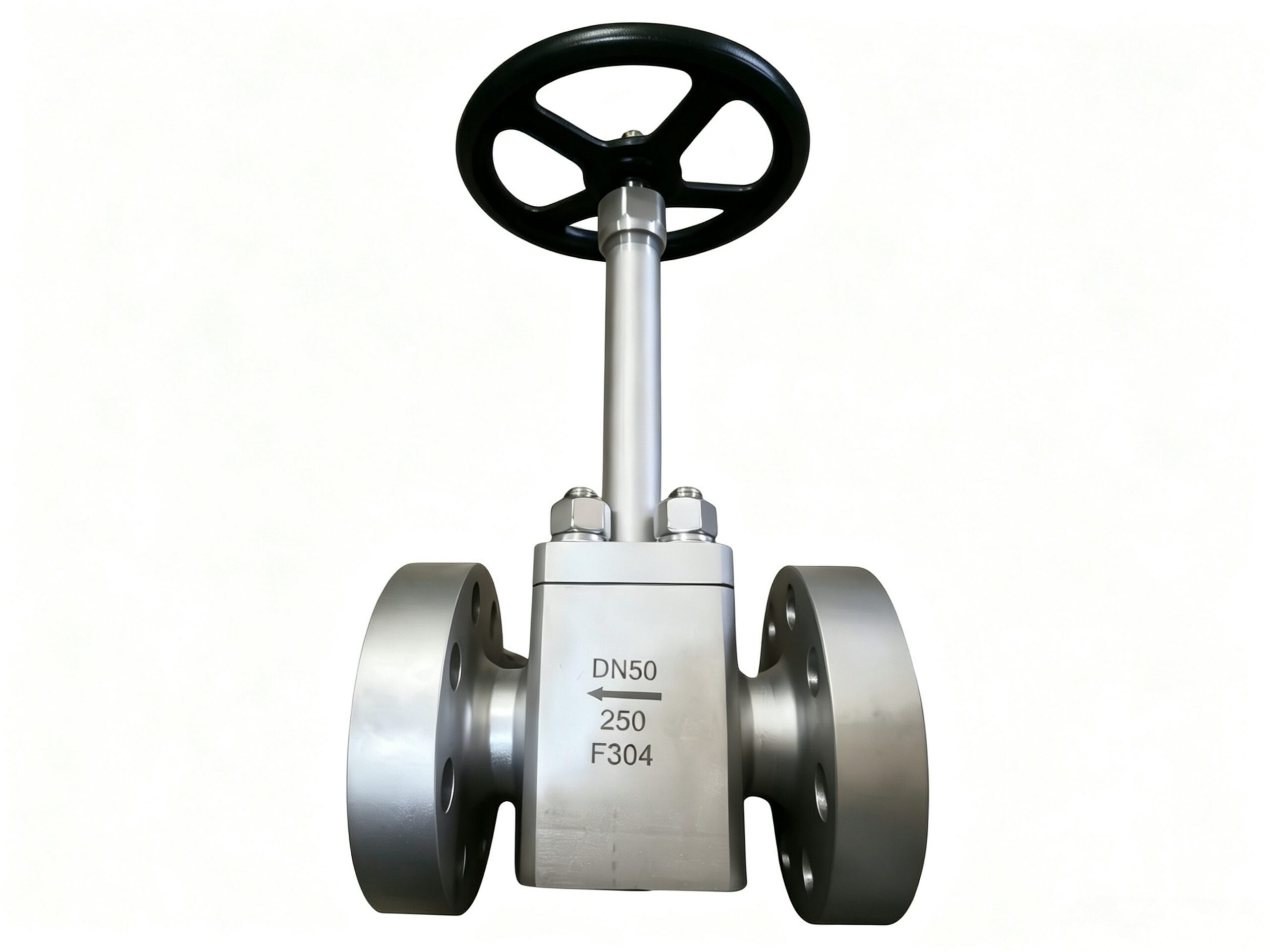
Open Die Forged Globe Valve for Cryogenic Service
Description
OPEN DIE FORGED GLOBE VALVE FOR CRYOGENIC SERVICE
Extended Bonnet · Bolted Bonnet · OS&Y
Typical Size Range: DN15 – DN200 (½″ – 8″)
Pressure Classes: ASME Class 150 / 300 / 600 (PN16 – PN100 equivalent)
Temperature Range: -196 °C to +120 °C
End Connections: Flanged (ASME B16.5 / EN 1092-1) or Butt-Weld (ASME B16.25)
1. GENERAL DESCRIPTION
Open die forged, bolted bonnet, outside screw and yoke (OS&Y) globe valve specifically engineered for cryogenic service down to -196 °C (LNG, liquid nitrogen, liquid oxygen, argon, etc.). The body and bonnet are manufactured from open die forgings of fully austenitic stainless steel, ensuring homogeneous grain structure, superior low‑temperature toughness, and freedom from porosity. The extended bonnet design positions the stuffing box sufficiently far from the cold medium, preventing stem packing icing and ensuring reliable operation. The seat configuration can be provided in a metal‑seated (Stellite® overlay) or soft‑seated (PCTFE/Kel‑F®) arrangement to meet the required shut‑off performance.
2. APPLICABLE STANDARDS
| Parameter | Standard |
|---|---|
| Design & Manufacture | API 623 (Steel Globe Valves – Forged), BS 6364, ISO 28921-1 |
| Face‑to‑Face Dimensions | ASME B16.10 (or EN 558-1 Series 8/15) |
| Flange Dimensions | ASME B16.5 (or EN 1092-1) |
| Butt‑Weld Ends | ASME B16.25 |
| Pressure‑Temperature Ratings | ASME B16.34 (Standard Class) |
| Testing & Inspection | API 598, BS 6364 (cryogenic type test), ISO 15848 (fugitive emissions, optional) |
| Fire‑Safe (if soft seated) | Not applicable – Cryogenic valve; firesafe option with metal seating available |
| Cleanliness / Oxygen Service | CGA G-4.1 / ASTM G93 (cleaning for oxygen service optional) |
3. TECHNICAL SPECIFICATIONS
| Parameter | Value / Description |
|---|---|
| Valve Type | OS&Y, bolted bonnet, forged globe valve, extended bonnet for cryogenic service |
| Size Range | DN15 to DN200 (½″ to 8″) |
| Pressure Class | ASME 150, 300, 600 (PN16, PN40, PN100 equivalent) – consult factory for higher classes |
| Body Construction | Open die forged, single piece or split‑body in larger sizes (monolithic block forging) |
| Bonnet Type | Extended, cold‑rolled stainless steel; length per BS 6364 / manufacturer’s standard |
| Body Material (Forging) | ASTM A182 F316/F316L (fully austenitic stainless steel) – F304/F304L on request |
| Disc / Plug | Forged ASTM A182 F316, Stellite® Gr.6 hardfaced seat (standard metal seated) |
| Seat Ring | Integral or replaceable; Stellite® Gr.6 overlay or KEL‑F® (PCTFE) insert (soft seat) |
| Stem Material | ASTM A276 Type 316 (cold worked), fully austenitic |
| Packing | PTFE / Graphite composite live‑loaded packing, suitable for cryogenic cycles |
| Bonnet Gasket | Spiral wound SS316L + Graphite / PTFE |
| Bolting | ASTM A193 Gr.B8M (316SS) / A194 Gr.8M, or B8/B8M class 2 for high strength |
| Leakage Class (Metal Seat) | API 598 Rate B or better |
| Leakage Class (Soft Seat) | Rate A – Zero leakage per API 598 / ISO 5208 |
| Operation | Handwheel (standard), gear operator on request, actuator mounting flange ISO 5211 |
| Flow Direction | “Flow under seat” (preferred) or “flow over seat” as specified |
4. MATERIALS OF CONSTRUCTION (Typical – Cryogenic Service)
| Part No. | Component | Material |
|---|---|---|
| 1 | Body | Open die forged ASTM A182 F316/F316L (1.4401/1.4404 equivalent) |
| 2 | Bonnet – Extension | Cold‑rolled or forged ASTM A276 Type 316L |
| 3 | Bonnet – Upper | Forged ASTM A182 F316L |
| 4 | Disc / Plug | ASTM A182 F316, face hardfaced with Stellite® Gr.6 |
| 5 | Body Seat Ring | ASTM A182 F316 + Stellite® overlay / or KEL‑F® (PCTFE) insert |
| 6 | Stem | ASTM A276 S31600/S31603, rolled threads, ground finish |
| 7 | Packing Set | Pure PTFE / Graphite (gas‑tight), with live‑loading disc springs |
| 8 | Bonnet Gasket | Spiral wound SS316L inner ring, PTFE or Graphite filler |
| 9 | Gland Flange / Studs | ASTM A240 SS316L / A193 B8M |
| 10 | Bonnet Studs & Nuts | ASTM A193 B8M Cl.2 / A194 Gr.8M – PTFE coated |
| 11 | Handwheel | Ductile iron, stainless steel rim (or all‑stainless steel option) |
| 12 | Lantern Ring / Spacer | Stainless Steel 316L |
All materials are fully traceable. Fully austenitic microstructure; ferrite content <1% to ensure excellent toughness at -196 °C. Charpy V‑notch impact tests at cryogenic temperature are performed on body, bonnet and stem materials (certified).
5. PRESSURE – TEMPERATURE RATING (ASTM A182 F316/F316L, ASME Class)
| Temperature (°C) | Class 150 (bar) | Class 300 (bar) | Class 600 (bar) |
|---|---|---|---|
| -196 to 38 | 19.6 | 51.1 | 102.2 |
| 100 | 16.2 | 42.6 | 85.2 |
| 120 | 15.0 | 39.5 | 79.0 |
Intermediate values per ASME B16.34. For PN‑rated flanged valves, ratings conform to EN 1092‑1 for material group 14E0 (316L). The extended bonnet does not affect the pressure‑temperature rating of the pressure boundary.
6. DIMENSIONS & WEIGHTS (Butt‑Weld Ends, Class 300, Short Pattern ASME B16.10)
| Nominal Size DN | NPS | Face‑to‑Face L (mm) | Centre to Top Open (mm) | Handwheel Dia. (mm) | Approx. Weight (kg) |
|---|---|---|---|---|---|
| 15 | ½″ | 152 | 280 | 125 | 6.5 |
| 20 | ¾″ | 178 | 300 | 150 | 8.0 |
| 25 | 1″ | 203 | 330 | 175 | 10.5 |
| 40 | 1½″ | 229 | 420 | 200 | 18.0 |
| 50 | 2″ | 267 | 500 | 250 | 28.0 |
| 80 | 3″ | 318 | 620 | 300 | 48.0 |
| 100 | 4″ | 356 | 750 | 355 | 75.0 |
| 150 | 6″ | 470 | 1020 | 400 (gear) | 150.0 |
| 200 | 8″ | 560 | 1250 | 500 (gear) | 265.0 |
Dimensions shown are for butt‑weld extended bonnet globe valves, typical values. Flanged valve lengths are per applicable standard. Certified outline drawings must be requested for critical installations.
7. TESTING & INSPECTION
| Test Type | Test Medium | Test Pressure / Criteria | Remarks |
|---|---|---|---|
| Shell Strength (Body) | Water | 1.5 × Max. Allowable Working Pressure (per ASME B16.34) | No visible leakage, pressure drop within limit |
| Seat Closure – High Pressure | Water | 1.1 × MAWP | Metal seat: Rate B per API 598; Soft seat: Rate A (zero leakage) |
| Seat Closure – Low Pressure | Nitrogen / Air | 6 ± 0.5 bar | Visual or bubble test, mandatory for soft seated valves |
| Cryogenic Type Test (Optional) | Liquid Nitrogen | Seat test at -196 °C per BS 6364 | Shell & seat leakage within BS 6364 limits; torque measurement |
| Packing Leakage | Nitrogen | 1.1 × MAWP or per ISO 15848 | No detectable leakage (helium sniffing if requested) |
| Material Verification | PMI (XRF) | 100 % pressure‑containing parts | Verified against EN 10204 3.1 certificate |
| Impact Testing (Charpy) | – | -196 °C for body/bonnet/stem material | Values per ASME VIII Div.1 / ISO 28921-1 |
| Cleanliness (if O₂ service) | Visual / UV | Per CGA G-4.1 or project specification | Guaranteed oil‑free, free of hydrocarbons |
Standard production testing includes shell and seat leakage at ambient temperature with water/air. Cryogenic test is typically a type test or can be performed on each valve as a customer‑specified option. EN 10204 3.1 certificates are provided as standard.
8. AVAILABLE OPTIONS & ACCESSORIES
-
Soft Seated Design: KEL‑F® (PCTFE) or PEEK seat insert for zero‑leakage bubble‑tight shut‑off.
-
Metal Seated Design: Stellite® Grade 6 overlay on disc and seat ring for abrasive or high‑cycle applications.
-
Higher Pressure: Class 900 / 1500 forging design available on request.
-
End Connections: Flanged RF (ASME B16.5), RTJ (Class 600+), Hub ends, or socket‑weld (small sizes).
-
Live‑Loading Packing: Disc spring loading to compensate for thermal cycling and packing relaxation.
-
Actuation: ISO 5211 top flange for pneumatic, electric, or hydraulic actuators. Cryogenic extension bracket included if required.
-
Oxygen Cleaned: Degreased, nitrogen purged, and sealed in polyethylene for O₂ service (CGA G-4.1).
-
Locking Device: Lockable handwheel in open/closed position.
-
Drain / Vent: Bonnet drain port (standard on cryogenic double‑block‑and‑bleed configurations).
-
Certifications: PED 2014/68/EU Module H, SIL (Safety Integrity Level) capability, ATEX (with actuator), CRN (Canada).
9. ORDERING INFORMATION
To prepare an accurate quotation, please provide the following data:
-
Quantity
-
Valve type: Open Die Forged Cryogenic Globe Valve
-
Nominal size: DN ____ (NPS ____)
-
Pressure class: Class 150 / 300 / 600 / PN___
-
End connection: Flanged (standard/stipulate facing) / Butt‑Weld (provide pipe schedule)
-
Body material: A182 F316/F316L (or F304/F304L)
-
Seat/Seal: Metal seated (Stellite®) / Soft seated (KEL‑F®/PCTFE)
-
Service medium & minimum design temperature
-
Operation: Handwheel / Gear / Actuator
-
Optional requirements: Cryogenic test certificate, O₂ cleaning, special NDE, etc.
This data sheet is intended for preliminary selection. For critical cryogenic applications, the manufacturer must be consulted for an engineered solution, detailed P&ID interfaces, and specific cryogenic type test procedures.