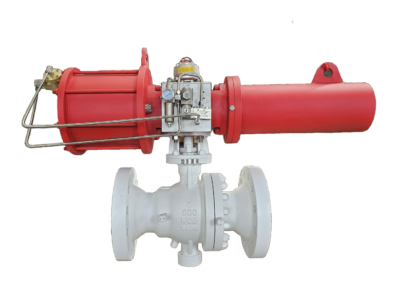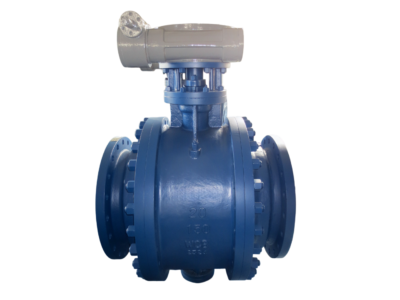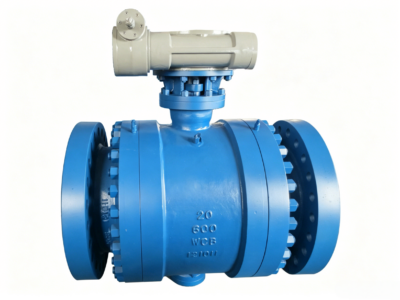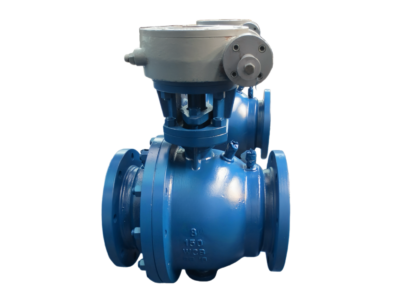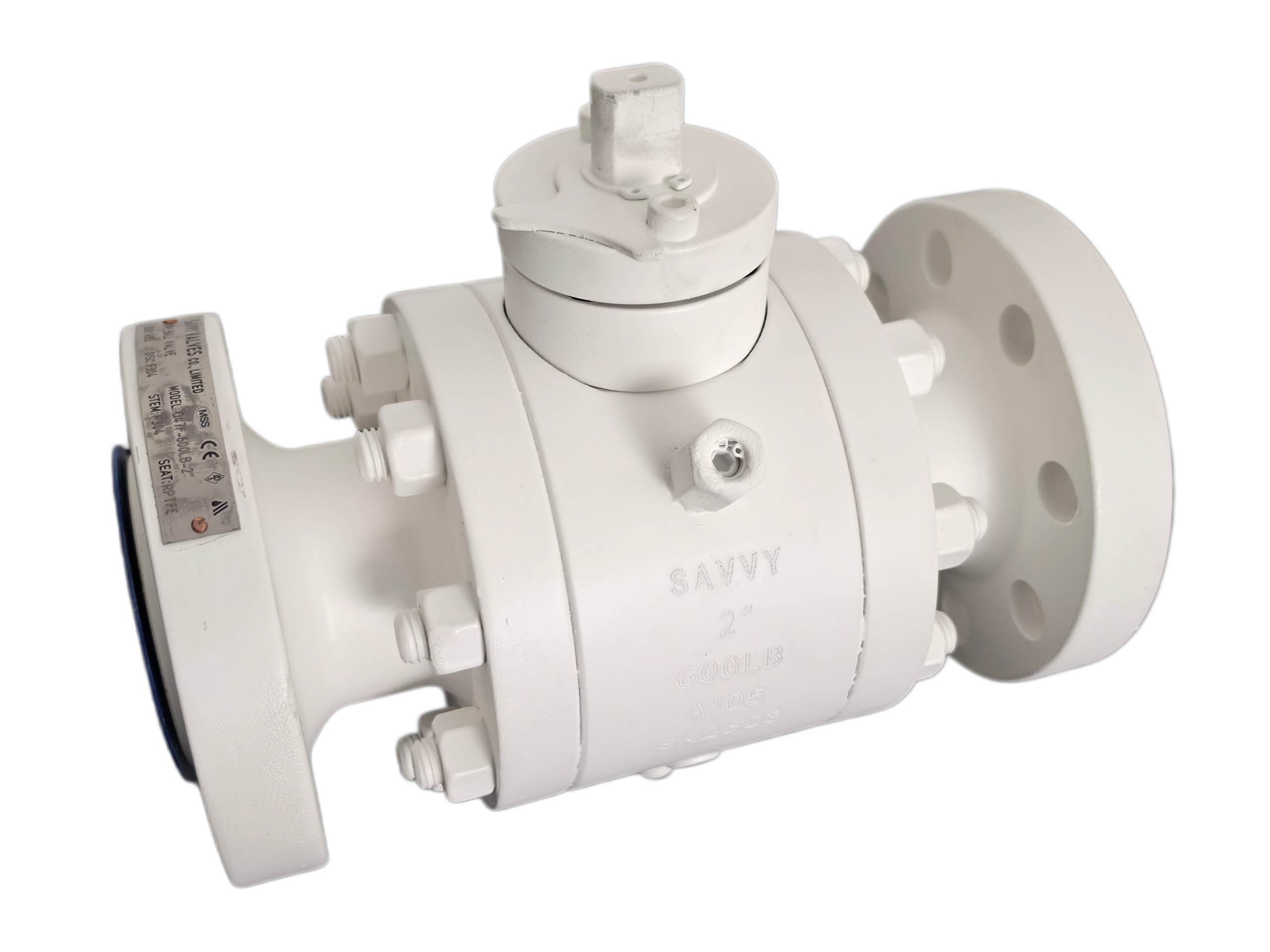
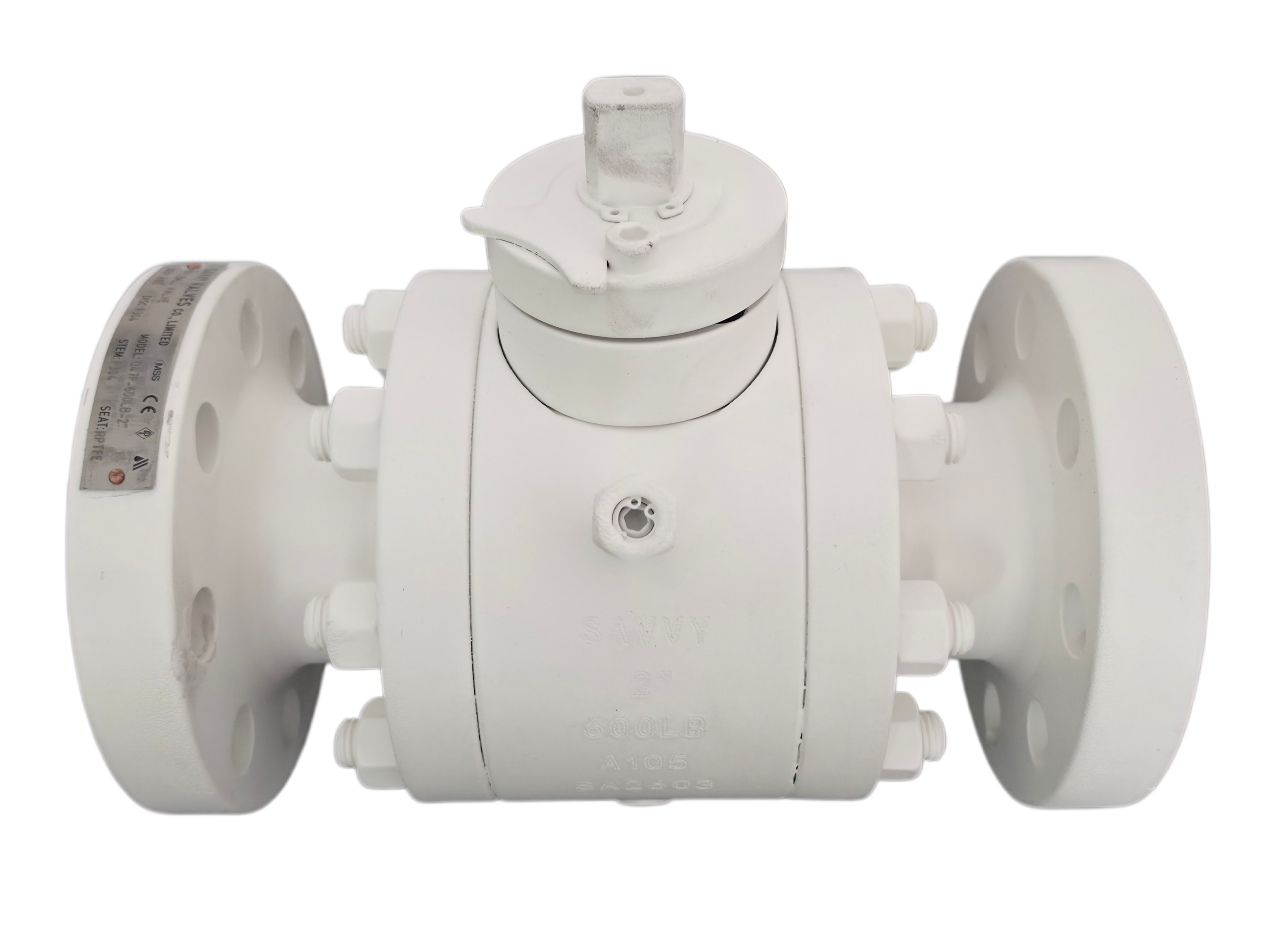
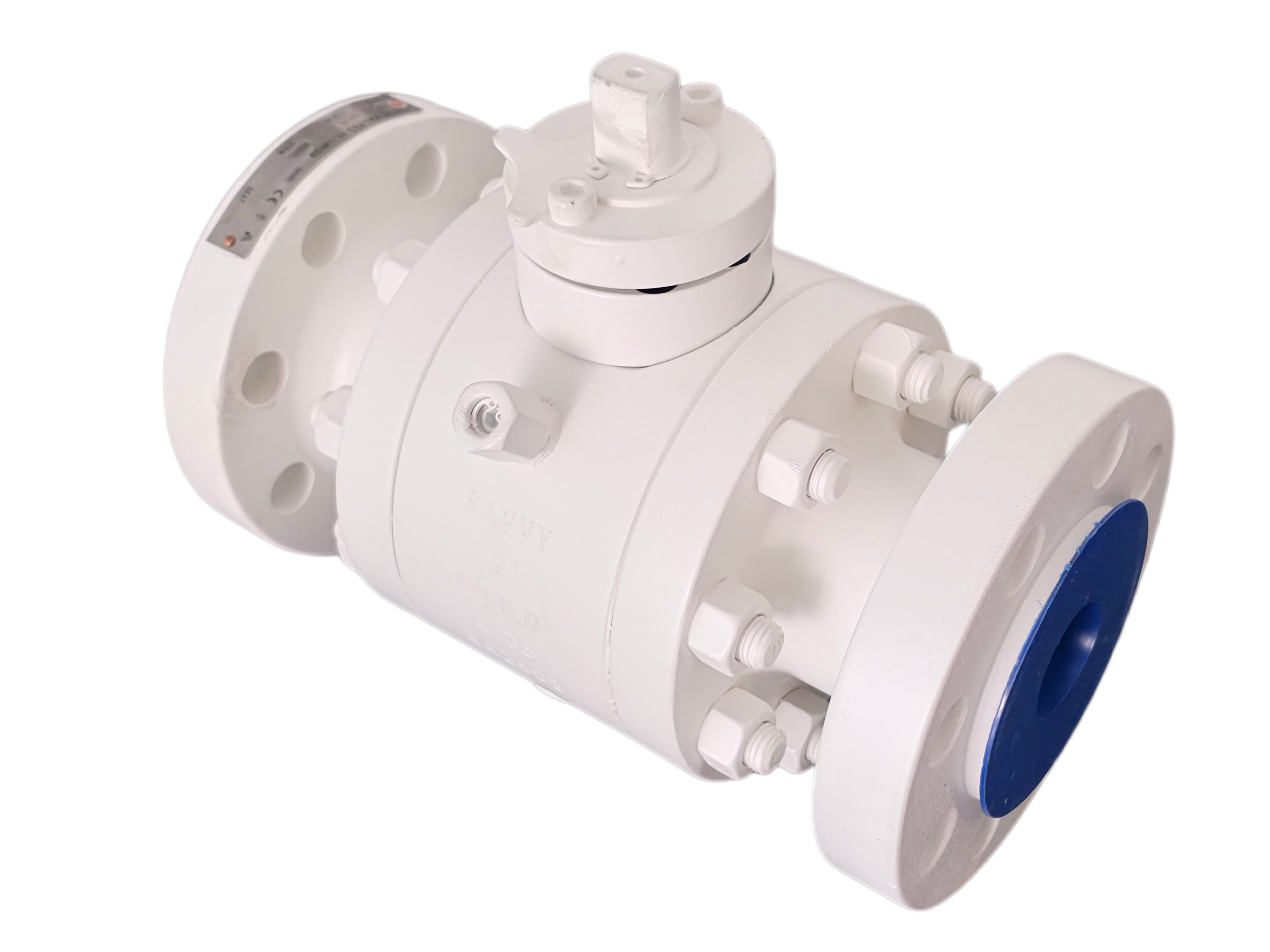
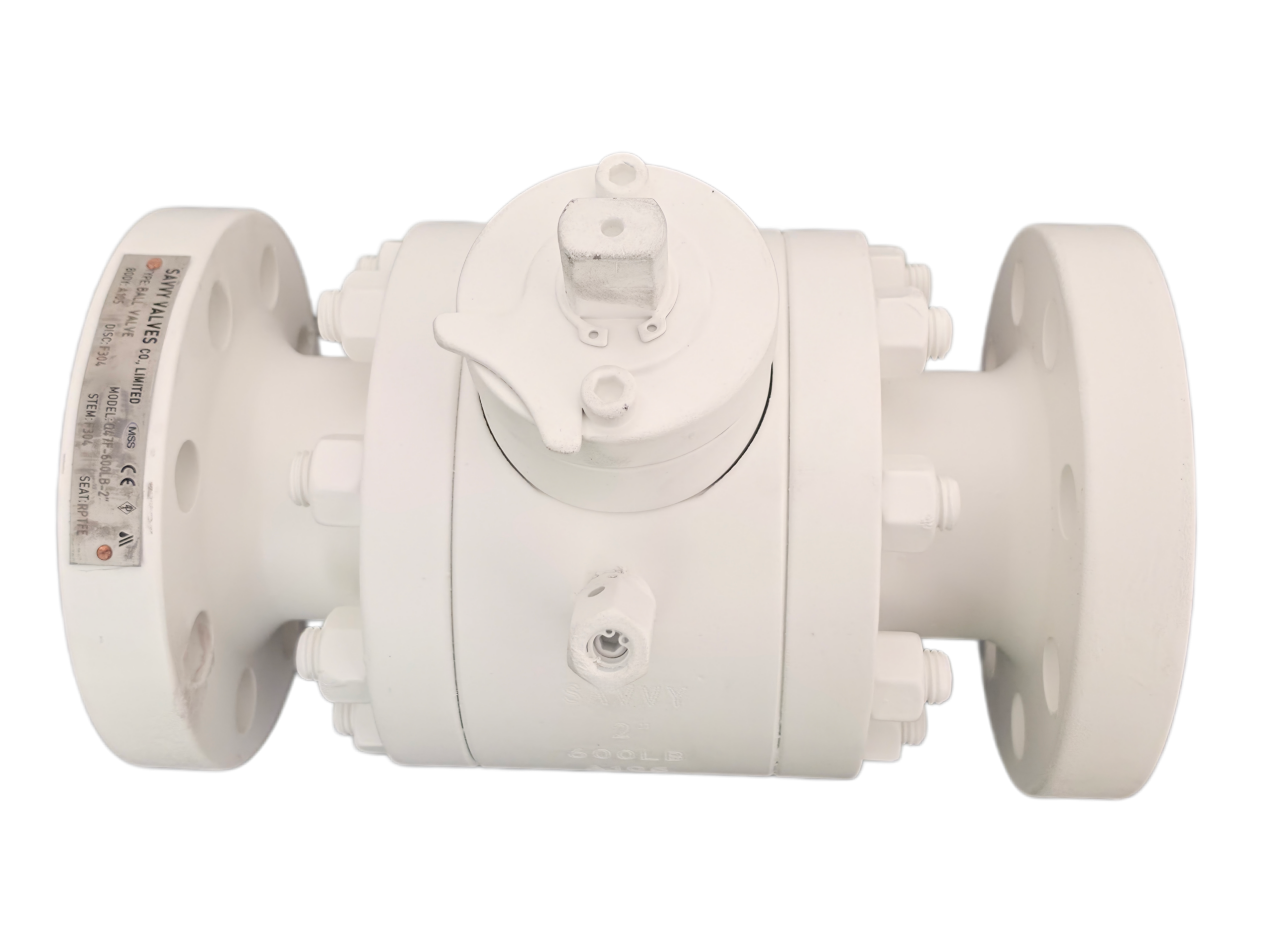
2″ 600LB 3-Piece Free Forged Trunnion Ball Valve
Description
TECHNICAL DATA SHEET
1. General Description
Product Name: ASME Forged Steel Trunnion Ball Valve
Model: Q347F / Q47F – Class 600LB
Nominal Size: NPS 2″ (DN50)
Pressure Rating: ASME Class 600LB (PN100)
Configuration: 2-piece bolted body, trunnion mounted (side entry)
Manufacturing Process: Free Forged
This product is suitable for oil, natural gas, petrochemical, long-distance pipeline, power generation, and general industrial piping systems. The trunnion-mounted design transfers line pressure thrust to the stem bearings, preventing ball displacement. As a result, the seat does not experience excessive load, offering low operating torque, stable sealing performance, and long service life. The free‑forged body provides excellent strength and rigidity, eliminating typical casting defects such as porosity and sand inclusions, ensuring reliable operation at the maximum rated working pressure.
2. Technical Parameters
Parameter Value
Nominal Size NPS 2″ (DN50)
Pressure Rating ASME Class 600LB (PN100)
Face-to-Face Dimension ASME B16.10 / API 6D
Flange Connection Standard ASME B16.5 (RF / RTJ)
Butt Weld End Standard ASME B16.25
Suitable Media Water, oil, natural gas, steam, non‑corrosive fluids
Temperature Range -29℃ to +200℃ (depending on seat material)
Leakage Rate API 598 zero leakage (soft seated)
Flow Characteristics Quick opening (ON‑OFF)
Flow Direction Bidirectional
Double Block & Bleed (DBB) Yes
Fire Safe Design API 607 / API 6FA
Anti‑Static Device Standard (BS 5353 / ISO 17292)
Blow‑Out Proof Stem Standard
Fugitive Emission Optional (ISO 15848‑1)
NACE Compliance Optional NACE MR0175 / ISO 15156
SIL Rating SIL 3 capable (IEC 61508)
3. Design & Manufacturing Standards
Item Standard
Design & Manufacture API 6D, ASME B16.34, ISO 17292
Face‑to‑Face ASME B16.10, API 6D
Flange Dimensions ASME B16.5 (NPS ≤ 24″)
Butt Weld End Dimensions ASME B16.25
Wall Thickness ASME B16.34
Pressure‑Temperature Rating ASME B16.34
Inspection & Test API 6D, API 598, ISO 5208
Fire Safety API 607, API 6FA, ISO 10497
Anti‑Static BS 5353, ISO 17292
Low Emission ISO 15848‑1, TA‑Luft (optional)
Quality System API 6D Monogram, PED/TPED, ATEX (optional)
4. Material Bill of Materials (BOM)
No. Part Name Standard Material Optional Material
1 Body ASTM A105 (forged carbon steel) A350 LF2 (low temp) / A182 F304/F316 (SS)
2 Bonnet ASTM A105 Same as body
3 Ball ASTM A105 + ENP A182 F304/F316 + hardened
4 Seat Seal (soft) PTFE / RPTFE PPL (-29~250℃)
5 Seat Support Ring ASTM A105 A182 F304
6 Stem ASTM A276‑410 A182 F304 / 17‑4PH
7 Stem Bearing PTFE + stainless steel insert Self‑lubricating composite
8 Spring (seat preload) Inconel X‑750 17‑7PH
9 Bonnet Gasket PTFE Spiral wound (flexible graphite + SS)
10 O‑Ring NBR Viton (FKM)
11 Stud Bolt ASTM A193‑B7 A193‑B8 (SS)
12 Nut ASTM A194‑2H A194‑8 (SS)
13 Packing Flexible graphite PTFE / Graphite combination
14 Gland ASTM A216‑WCB A105
Note: Other material combinations are available upon request.
5. Pressure Test (Class 600 Reference)
Test Pressure
Shell Hydrostatic Test 15.0 MPa
Seat Hydrostatic Seal Test 11.0 MPa
Low‑Pressure Pneumatic Seat Test 0.6 MPa (6 bar)
Test pressures are in accordance with API 598.
6. ASME B16.34 Pressure‑Temperature Ratings (Body: A105 / WCB / LF2)
Temperature (°C) Working Pressure (bar)
-29 ~ 38 102.1
50 100.2
100 93.2
150 90.2
200 87.6
250 83.9
300 79.6
Source: ASME B16.34 standard pressure‑temperature ratings.
7. Overall Dimensions & Approximate Weight
NPS Face‑to‑Face L (RF) mm Face‑to‑Face L (BW) mm Overall Height H (open) mm Weight (approx. kg)
2″ 178 178 107 12
Flange facing: Raised face (RF) or Ring Type Joint (RTJ)
Butt weld ends: ASME B16.25
Dimensions are for reference only; final drawings apply.
8. Key Design Features
2‑Piece Bolted Body: Body and bonnet connected by high‑strength studs for high‑pressure service; gasket options include spiral wound or lip seal.
Trunnion Mounted Ball: Ball supported by upper and lower stem bearings; line pressure thrust absorbed by bearings, not the ball. This design significantly reduces operating torque, minimises seat deformation, and provides stable sealing performance – ideal for high‑pressure applications.
Double Block & Bleed (DBB): Valve blocks both upstream and downstream media in fully open or fully closed position; cavity pressure can be relieved via a bleed valve.
Double Piston Effect / Single Piston Effect Seats (DPE/SPE): Flexible seat configuration; Inconel® springs ensure reliable sealing at low pressure.
Fire Safe Design: Meets API 607 / API 6FA. In case of fire that destroys the soft seat, spring force creates a metal‑to‑metal emergency seal to limit leakage.
Anti‑Static Device: Built‑in anti‑static design dissipates static charge from ball/stem friction to the pipeline, preventing spark hazards.
Blow‑Out Proof Stem: Stem is captured to prevent ejection under abnormal pressure, ensuring operator safety.
Low Emission Packing: Live‑loaded disc spring packing system; optional ISO 15848‑1 certification for fugitive emission control.
Automatic Cavity Pressure Relief: If cavity pressure exceeds spring preload, the seat retracts from the ball to relieve pressure automatically; the seat resets after pressure drops.
9. Actuation Options
Lever / handle (≤2″)
Worm gear operator
Pneumatic actuator (single acting / double acting)
Electric actuator
Actuator selection depends on valve torque, utility conditions, and safety factors – refer to manufacturer’s torque data.
10. Remarks
This technical data sheet is based on general industry specifications. Final technical parameters are subject to the purchase agreement.
EN 10204 Type 3.1 material certification and PMI (Positive Material Identification) reports are available upon request.
Valve marking complies with MSS‑SP‑25 and API 6D.
For other NPS sizes or custom requirements, please consult the manufacturer for detailed technical documentation.
Date of Issue: May 19, 2026
Revision: V1.0
Note: This data sheet is prepared in accordance with API 6D, ASME B16.34, ASME B16.10, ASME B16.5, and other relevant ASME/API standards. All technical data are based on publicly available references from Savvy Valves, Relia Valve, and standard ball valve literature (Baike Baidu). It is suitable for engineering design, procurement, and technical communication.