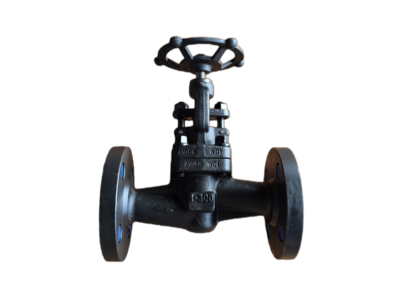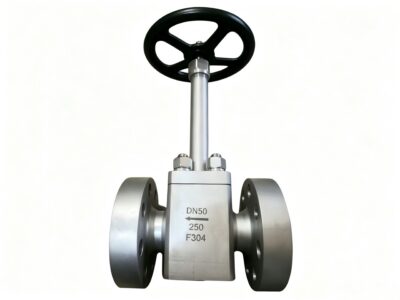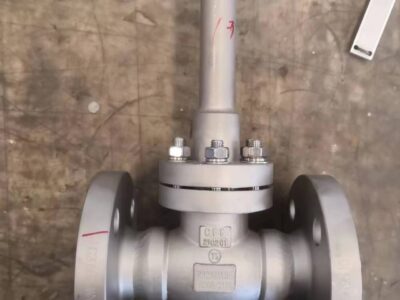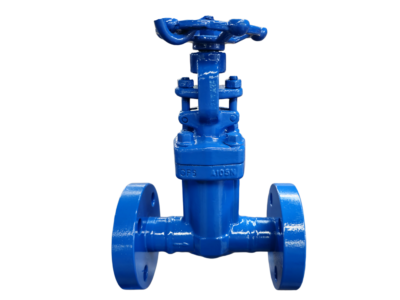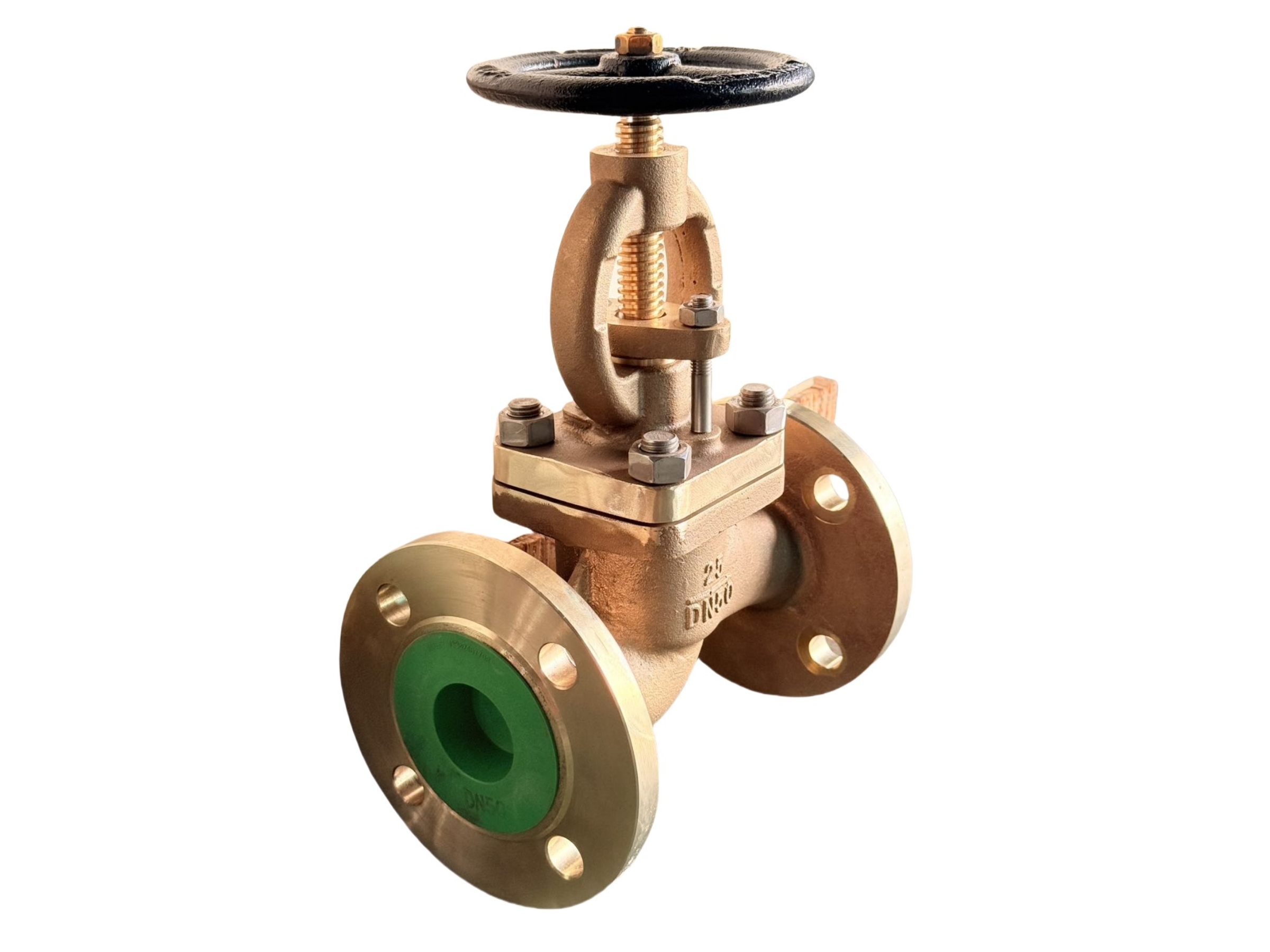
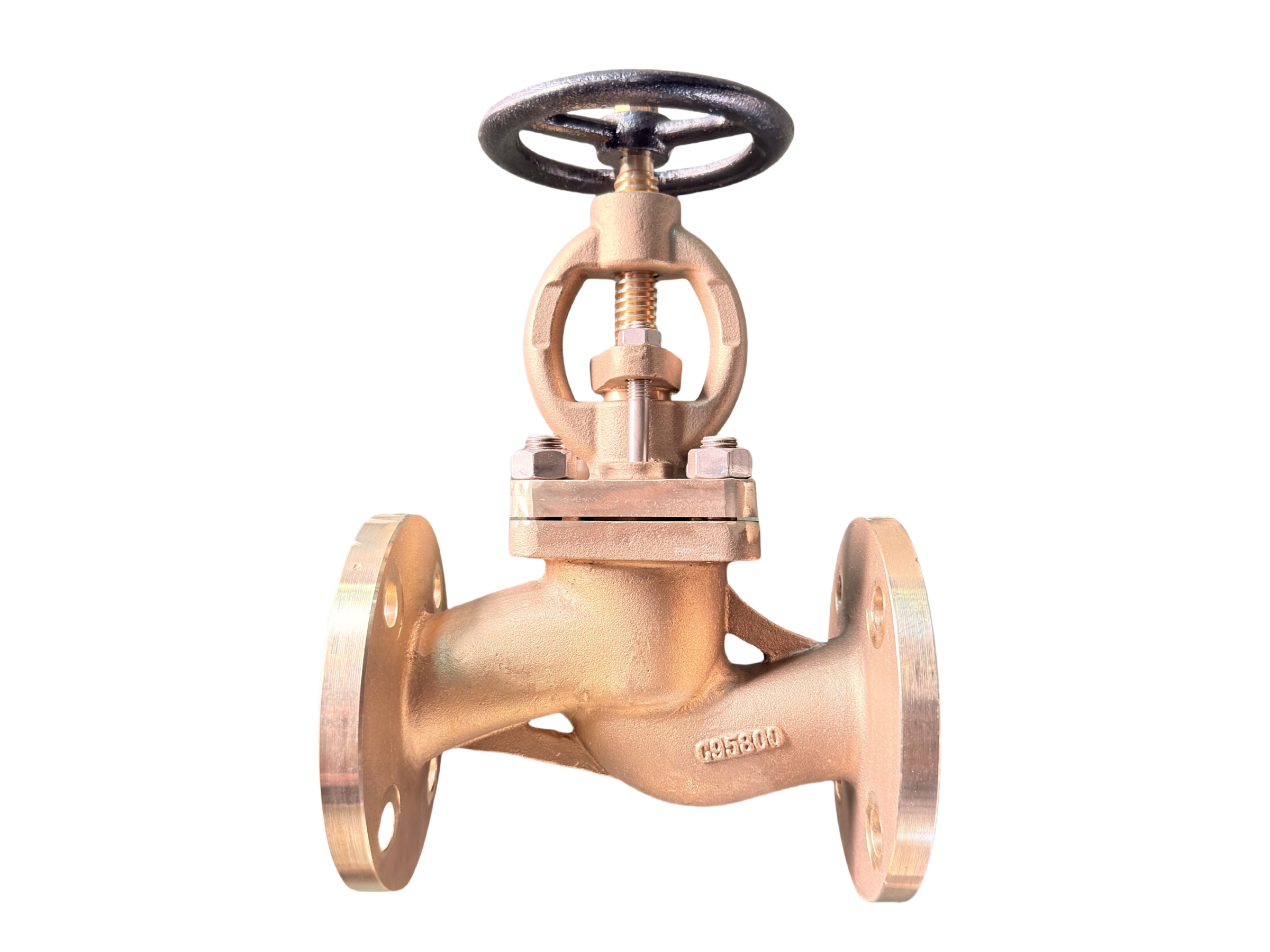
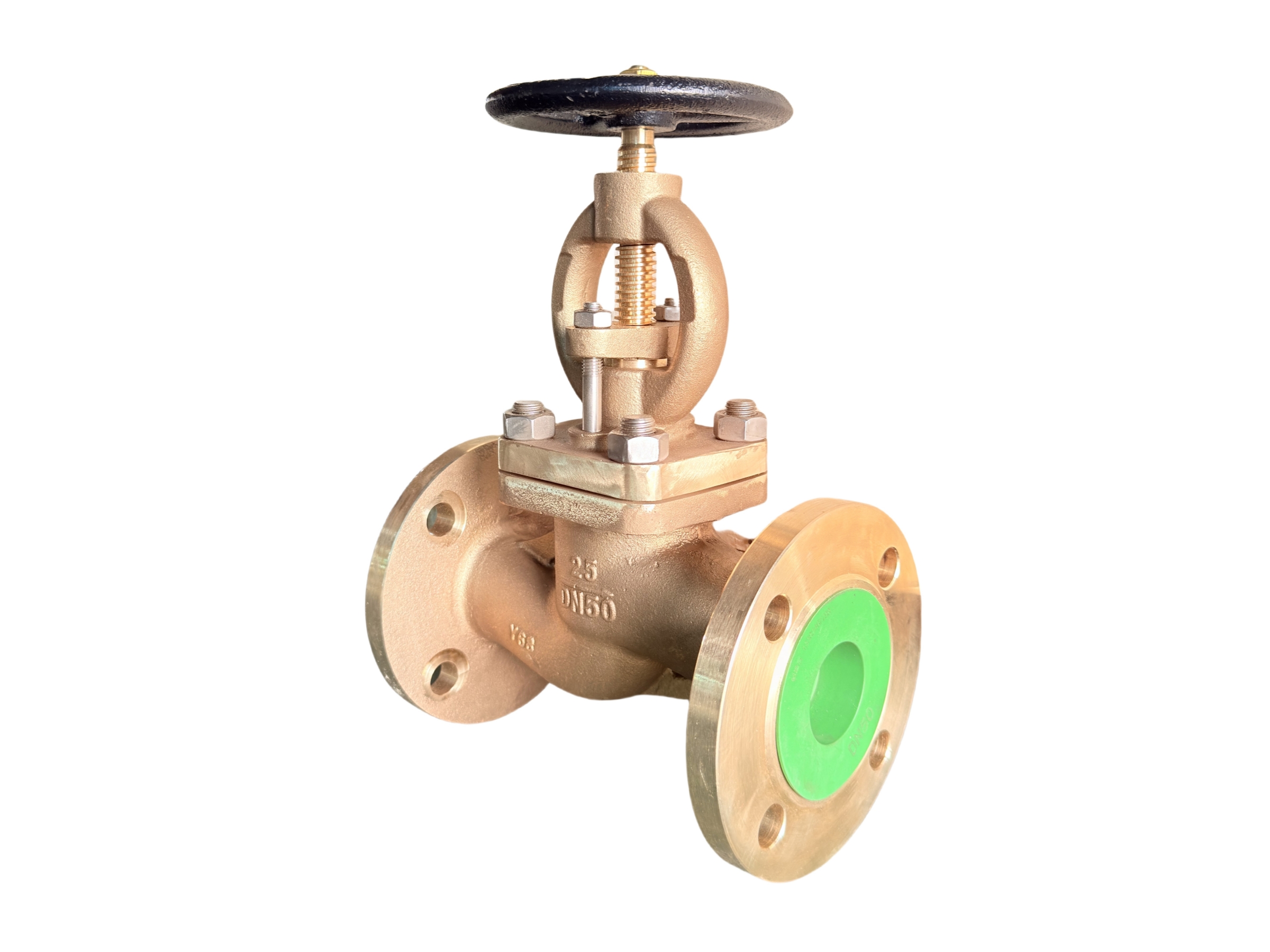
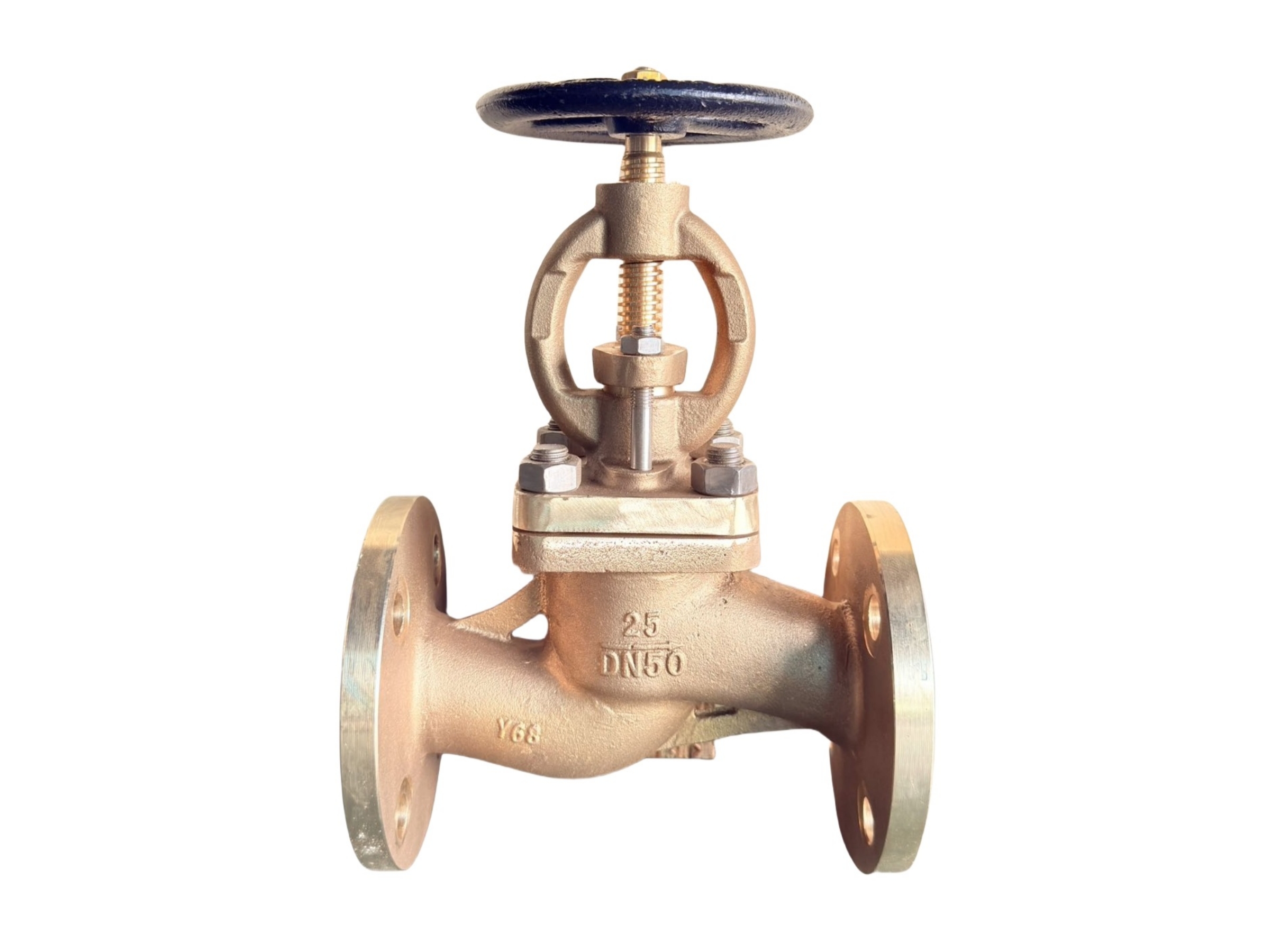
B148 C95800 AL-Bronze Straight Through Globe Valve
Description
ASTM B148 C95800 Aluminum Bronze Straight Through Globe Valve
Technical Data Sheet
1. Product Overview and Applications
ASTM B148 C95800 aluminum bronze straight through globe valves are engineered specifically for flow regulation and positive shut-off in highly corrosive and erosive service conditions. Unlike gate valves, which are designed primarily for fully open or fully closed isolation duty, the straight through globe valve excels at throttling and modulating flow, making it the preferred choice for applications requiring precise flow control.
When configured with the SDNR (Screw-Down Non-Return) feature, the valve combines the functions of an isolation valve and a check valve in a single unit—the screw-down mechanism provides positive shut-off independent of line pressure, while the non-return function automatically prevents backflow when the stem is fully raised.
Typical Industries: Marine engineering, shipbuilding, seawater desalination, offshore oil & gas platforms, chemical processing, coastal power plants, firefighting systems.
Common Systems: Ship ballast water systems, seawater cooling pipelines, fire water systems, brine handling, and other critical fluid control circuits.
Suitable Media: Seawater, brine, non-oxidizing acids, alkaline solutions, and various organic compounds.
Operational Note: The straight through globe valve features an S-shaped flow path through the body, which inherently produces a higher pressure drop compared to gate valves or oblique-pattern (Y-pattern) globe valves. This design is optimized for throttling service; if minimum pressure loss is critical for your application, consider a Y-pattern globe valve alternative.
2. Technical Specifications and Design Standards
These globe valves are designed and manufactured in accordance with prevailing international standards to ensure reliability and interchangeability.
Design & Manufacturing Standards: BS 1873, API 623, ASME B16.34
Valve Type: Straight pattern globe valve with bolted bonnet or pressure seal bonnet; Outside Screw and Yoke (OS&Y) configuration with rising stem.
Face-to-Face Dimension: ASME B16.10
Flange Connection Standard: ASME B16.5 (RF or FF), or EN 1092-2
Pressure-Temperature Rating: ASME B16.34
Nominal Size (DN) : 1/2 inch through 36 inches (DN15 – DN900) and larger, depending on pressure class.
Pressure Class: Class 150 LB through Class 2500 LB (PN10 – PN420)
Temperature Range: Typically -29°C to +400°C (-20°F to +752°F).
Testing & Inspection: Products are pressure-tested in accordance with API 598 or BS EN 12266-1.
Optional Standards: NACE MR0175 / ISO 15156 compliance is available for sour service applications.
3. Core Material: ASTM B148 C95800 (UNS C95800)
C95800 Nickel Aluminum Bronze is a copper-aluminum-iron-nickel alloy renowned for its exceptional combination of mechanical strength and corrosion resistance in marine environments.
3.1 Chemical Composition (Weight %)
Element Content (%) Remarks
Copper (Cu) ≥79.0 Remainder
Aluminum (Al) 8.5 – 9.5 Forms a dense, tenacious oxide film for superior corrosion resistance
Nickel (Ni) 4.0 – 5.0 Enhances corrosion resistance and mechanical strength; includes Cobalt
Iron (Fe) 3.5 – 4.5 Refines grain structure, increasing strength and wear resistance
Manganese (Mn) 0.8 – 1.5 Deoxidizer; improves hot working and casting properties
Lead (Pb) ≤ 0.03 (Impurity) Detrimental to hot workability; strictly controlled
Silicon (Si) ≤ 0.10 (Impurity) Excessive levels reduce ductility
3.2 Mechanical & Physical Properties (Typical Values)
Property Typical Value (Standard Requirement)
Tensile Strength ≥ 585 MPa (85 ksi)
Yield Strength (0.2% offset) ≥ 240 MPa (35 ksi)
Elongation ≥ 15% (in 2-inch gauge length)
Brinell Hardness (BHN) 159 – 190 HB (as-cast, typical)
Density 7.64 g/cm³
Melting Range 1043 – 1060°C
Thermal Conductivity 36.0 W/m·K @ 20°C
Key Material Characteristics:
Excellent resistance to seawater corrosion, cavitation, and erosion-corrosion
High strength and good wear resistance
Non-sparking properties (suitable for hazardous environments)
Excellent anti-galling characteristics, critical for threaded components and seating surfaces
4. Principal Component Materials
The correct material combination is critical for overall valve performance and service life.
Component Material Grade Standard / Remarks
Body ASTM B148 C95800 Parent material — high-corrosion-resistant nickel aluminum bronze
Bonnet ASTM B148 C95800 Bolted bonnet or pressure seal design
Disc (Valve Plug) ASTM B148 C95800 / ASTM B150 C63000 Hardened for extended service life
Seat Ring ASTM B148 C95800 Renewable seat ring construction can be provided
Stem ASTM B150 C63200 / AISI 316 Stainless Steel High strength with excellent corrosion resistance
Packing PTFE / Flexible Graphite Selected based on operating temperature requirements
Gasket PTFE / Spiral Wound (Graphite filled) Ensures reliable bonnet joint sealing
Bonnet Bolting Silicon Bronze / ASTM A193 B8 Stainless Steel Corrosion-resistant fasteners
Handwheel Ductile Iron / Aluminum Bronze Ergonomic manual operation
5. Testing and Inspection Specifications
Every valve passes the following tests before shipment to verify structural integrity and leak tightness.
Test Item Applicable Standard Test Requirement
Shell Strength Test API 598 / BS EN 12266-1 Test pressure is 1.5 times the rated working pressure; no visible leakage or permanent deformation permitted
Seat Leak Tightness Test API 598 / BS EN 12266-1 Test pressure is 1.1 times the rated working pressure; leakage rate must comply with the specified class
Back Seat Test API 598 Verifies leak-tight sealing of the back seat when the stem is fully raised
Optional Tests Nitrogen gas seat test, high-pressure gas test, fugitive emissions testing (e.g., ISO 15848-1) Available upon customer request or for specific service conditions
6. Operation and Maintenance Guide
To ensure long-term stable operation, please adhere to the following precautions:
Installation Orientation: The valve should be installed with the stem oriented vertically upward. Ensure the flow direction arrow on the body aligns with the pipeline flow direction. For standard globe valves, flow is typically “under the seat” (flow enters below the disc), which provides smoother operation and reduces water hammer during closure.
Operating Mode: For large bore sizes (typically 8 inches / DN200 and above) or high differential pressure applications, a gear operator is strongly recommended to reduce the required handwheel rim pull torque. Electric or pneumatic actuation is also available as an option.
Operating Torque: Never use cheater bars or extended leverage to force operation. If the handwheel cannot be turned easily, inspect the valve internals for trapped debris or mechanical obstruction. For SDNR configurations, ensure the stem is fully raised when the non-return function is required.
Throttling Service: This globe valve is suitable for throttling and flow regulation; however, avoid operating at less than 10% open for extended periods, as high-velocity flow across a nearly closed disc can accelerate seat and disc erosion.
Temperature Cycling: For applications involving significant thermal cycling, verify that the packing and gasket materials are rated for the full temperature range. PTFE packing is suitable up to approximately 260°C (500°F); above this, graphite packing is required.
Maintenance Essentials: Periodically check the stuffing box for signs of leakage. Minor leakage can often be addressed by evenly tightening the packing gland nuts in small increments. Before performing any maintenance, fully isolate the valve from the pipeline and depressurize it. Prior to reassembling the bonnet, clean all sealing faces and replace the bonnet gasket to ensure a tight, leak-free joint.